



Blog
What Is Vetiver Discover the Rich Scent of Vetiver Perfumes

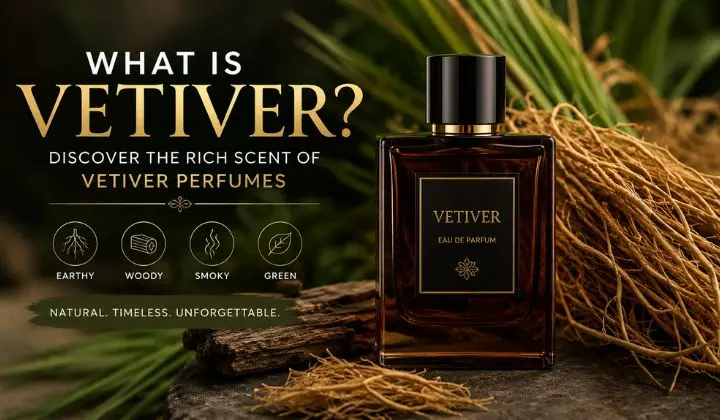
Some ingredients quietly show up in fragrance after fragrance without most people knowing their name. This is one of the most common, especially as a base note in modern perfumery. It’s earthy, complex, and surprisingly hard to replace with anything synthetic. This guide explains exactly what it is, where it comes from, and how it’s used. It also covers what to expect when you smell it for yourself.
Understanding an ingredient like this changes how you read a fragrance label. Once you know its character, you’ll start noticing it in scents you already own. It also helps explain why certain perfumes feel grounded or earthy in a way that’s hard to describe otherwise. This article breaks down the science, the scent, and practical buying tips. By the end, you’ll know exactly what you’re smelling.
What Is Vetiver?
Vetiver is a perennial grass, scientifically known as Chrysopogon zizanioides, native to India and now cultivated across tropical regions worldwide. Its name comes from the Tamil word “vetiveru,” which translates roughly to “braided root,” a reference to its dense, tangled root system. Unlike most fragrance ingredients that come from flowers or bark, vetiver’s scent comes almost entirely from its roots. Those roots can grow remarkably deep, sometimes reaching three to five meters underground. This deep root structure is also why vetiver is widely used to prevent soil erosion in farming regions.
Vetiver fragrance begins with the harvesting of mature roots, typically after eighteen months to two years of growth. The roots are washed, dried, and cut into smaller pieces to prepare them for extraction. From there, steam distillation is the most common method used to draw out the essential oil. This process is genuinely labor-intensive, since it takes roughly 100 to 150 kilograms of dried root material to produce just one kilogram of finished oil. That low yield is a big part of why quality vetiver oil isn’t cheap.
What Is Vetiver Scent Actually Like?
What is vetiver scent actually like once it’s in a finished perfume? The short answer is complex, but a few consistent descriptors come up again and again among perfumers. Here’s how it’s most commonly described:
- Earthy — a deep, root-like quality that feels grounded rather than floral or fruity
- Woody — often compared to damp wood or freshly cut grass
- Smoky — particularly noticeable in Javanese vetiver, which leans more burnt and resinous
- Slightly nutty or green — some batches carry a subtle grapefruit or asparagus-like top note
- Sweet and balsamic in the base — a soft warmth that emerges after the initial earthy impression fades
The exact character depends heavily on where the vetiver was grown. Haitian vetiver tends to smell cleaner, greener, and slightly floral, while Javanese vetiver leans smokier and more intense. Bourbon vetiver, grown on Réunion Island, is often considered among the most refined and sought after by perfumers.
Vetiver Fragrance in Classic and Modern Perfumery
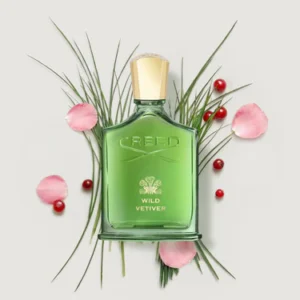
Vetiver fragrance has a long history in perfumery, appearing in some of the most recognized scents ever created. Guerlain’s Vetiver, first released decades ago, remains one of the most referenced examples of the ingredient used as a central theme. Chanel’s Sycomore leans into vetiver’s smokier side, pairing it with vanilla and cedar for a more spiced character. Many niche and designer houses continue to release vetiver-forward fragrances, a sign of how enduring its appeal remains. Its presence in these well-known releases has helped cement it as a modern perfumery staple.
Vetiver’s usefulness goes beyond just standalone fragrances too. It blends particularly well with sandalwood, patchouli, and cedarwood, deepening woody compositions further. It also pairs surprisingly well with citrus, florals, and spice notes, which is part of why it appears across such a wide range of fragrance styles. This flexibility is a major reason it remains a favorite among perfumers working across very different scent families.
What Is Vetiver Used For in Perfumery?
What is vetiver used for beyond simply smelling good on its own? Its primary role in most fragrances is as a base note, meaning it anchors a composition and helps it last longer on skin. Lighter top and heart notes, like citrus or florals, tend to fade first, leaving vetiver’s deeper character to carry a fragrance through its final hours. This anchoring role is one of the most practical reasons perfumers reach for it so often. Without a strong base note like this, many fragrances would feel thin or short-lived.
It’s also used in small concentrations, typically between one and ten percent of a formula, to avoid overwhelming lighter ingredients. This restraint allows vetiver’s earthy character to add depth without dominating the entire composition. Traditionally associated with men’s fragrances due to its grounded, robust character, vetiver has increasingly found its way into women’s and unisex perfumery as well. Its versatility across genders is part of why it remains such a widely used ingredient today.
Perfume Vetiver: Blending and Layering
Perfume vetiver blends particularly well with a handful of complementary ingredients, which makes it a useful reference point when building a fragrance wardrobe. Pairing a vetiver-forward scent with something citrus-heavy tends to brighten and balance its earthy weight. Layering it with a soft musk can help smooth out any smokier, more intense facets for everyday wear. Vetiver also works well alongside leather or tobacco notes for a bolder, more masculine profile. Understanding these pairings helps you predict how a vetiver fragrance might wear before even trying it.
If you already own a fragrance with a strong citrus or floral opening, adding a vetiver-based scent underneath can create an interesting layered effect. This kind of experimentation is a fun way to get more use out of fragrances already in your collection. Testing on skin, rather than guessing from notes alone, remains the best way to judge how two scents interact. Small adjustments in application can make a noticeable difference in how a layered combination develops over time.
Vetiver Perfumes Worth Trying
Vetiver perfumes span a wide range of styles, from clean and green to smoky and intense. If you’re new to the ingredient, starting with a few different interpretations helps you understand your own preference.
- Clean and green — often built around Haitian vetiver, ideal for a fresher, more approachable introduction
- Smoky and resinous — typically Javanese vetiver, suited to those who want a bolder, more dramatic character.
- Vetiver paired with citrus — a lighter, more everyday-friendly combination
- Vetiver paired with leather or tobacco — a deeper, more evening-appropriate profile
- Vetiver as a supporting base note — found in many fragrances that don’t center it, but rely on it for structure
Trying a few options across these categories is the best way to figure out which side of vetiver’s character you’re drawn to.
Vetiver Fragrance: Who It Suits
Vetiver fragrance tends to suit people who enjoy grounded, earthy scents over sweet or purely floral ones. If you’re drawn to woody, slightly smoky profiles, this is very likely to appeal to you. It also suits anyone looking for a fragrance that feels understated rather than loud, since vetiver rarely overwhelms a room. People who prefer subtlety with real depth tend to appreciate it the most. That said, personal taste plays a big role, as with any distinctive, characterful ingredient.
It’s also a good starting point for anyone curious about niche or more complex perfumery. Vetiver-forward fragrances tend to reward patience, since their character often becomes clearer after 30 minutes to an hour on skin. Testing a sample over a full day gives a much better sense of how it develops than a quick sniff test. This kind of exploration is part of what makes vetiver such a rewarding ingredient to get to know.
Shop Vetiver Perfumes at Aromora
Aromora’s fragrance listings include detailed note breakdowns, which makes it easier to spot vetiver-forward options across the collection. Checking a product’s base notes directly on the listing is the most reliable way to confirm vetiver’s presence in a specific bottle. Comparing a few different fragrances side by side can help you understand how vetiver’s character shifts depending on what it’s paired with. Reading through detailed descriptions takes a lot of the guesswork out of exploring this ingredient. This is especially useful if you’re new to vetiver and want to compare a few starting points.
Browsing the wider Aromora collection is a good way to explore how different fragrance houses interpret this ingredient. Clear product information helps you compare woody, earthy compositions without relying on guesswork. Whether you’re drawn to clean Haitian vetiver or something smokier, taking time to compare listings leads to a better final choice. A little research goes a long way with an ingredient this distinctive.
Conclusion
Vetiver is a genuinely fascinating ingredient, rooted in centuries of use and still central to modern perfumery today. Its earthy, woody, and sometimes smoky character makes it one of the most recognizable base notes once you know what to look for. Understanding where it comes from, how it’s extracted, and how it varies by region helps you appreciate it far more in any fragrance you wear. Whether front and center or working quietly in the background, it’s rarely there by accident.
Aromora‘s detailed listings make it easier to explore vetiver fragrances and see how different houses use this ingredient. Testing a few options is the best way to discover which regional character, clean and green or smoky and resinous, suits you best. A little curiosity about what’s actually in your perfume goes a long way. Explore Aromora’s collection to start discovering vetiver for yourself.
Frequently Asked Questions
What is vetiver made from?
Vetiver oil is extracted from the roots of a tropical grass called Chrysopogon zizanioides, primarily through steam distillation.
What does vetiver smell like?
It’s typically described as earthy, woody, and slightly smoky, with green, nutty, or sweet balsamic facets depending on where it’s grown.
Is vetiver used in men’s or women’s perfume?
Both. It’s traditionally associated with men’s fragrances but is now widely used in women’s and unisex perfumery as well.