



Blog
Botanical Fragrance & Botanical Perfume: Benefits, Uses & How to Choose

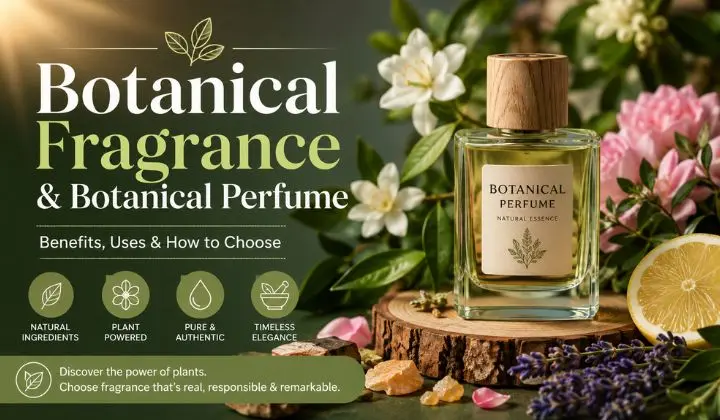
Plants have shaped perfumery for thousands of years, long before synthetic ingredients existed. Flowers, woods, resins, and peels still form the backbone of many modern scents today. Choosing something plant-derived is appealing for a lot of genuine reasons. This guide explains what these fragrances actually are and how they’re made. It also covers what to look for when choosing one for yourself.
Not every plant-based claim on a bottle means the same thing, though. Some products use real extracted oils, while others simply mimic a natural note synthetically. Understanding this distinction helps you shop with more confidence. This article covers ingredients, benefits, and practical buying tips. By the end, choosing between different plant-inspired options should feel much clearer.
What Is Botanical Fragrance?
A fragrance can be described as botanical even if it includes some synthetic fixatives to help it last. This includes essential oils, absolutes, and extracts taken from flowers, leaves, bark, roots, and peels. These materials have been used in perfumery for centuries, long before modern chemistry expanded the options available. The key distinction is that the core scent character comes from real plant sources. Botanical fragrance refers to scent built primarily from plant-derived ingredients rather than purely synthetic ones.
Extraction methods vary depending on the plant and the part being used. Steam distillation is common for many essential oils, while delicate flowers like jasmine often require solvent extraction to produce an absolute. These processes can be time-consuming and require large quantities of raw plant material. That’s part of why genuinely botanical ingredients tend to cost more than synthetic alternatives. Understanding this helps explain the price difference between mass-market and botanically-focused perfumes.
Botanical Scents: How They’re Actually Made
Botanical scents start with raw plant material, which is processed to extract its aromatic compounds. Rose, for example, might be steam distilled to produce rose otto, a highly concentrated oil. Citrus peels are often cold-pressed instead, since heat can damage their delicate top notes. Woods like sandalwood and cedar are typically distilled from chipped or shaved material. Each method is chosen based on what best preserves the plant’s natural character.
Once extracted, these oils and absolutes are blended by a perfumer to create a finished fragrance. This blending process is where real skill comes in, since raw botanical materials rarely smell finished on their own. A perfumer balances top, heart, and base notes much like with any other fragrance style. The result can be entirely plant-derived or blended with select synthetic ingredients for structure and longevity. Both approaches are common in modern botanical perfumery.
Natural Botanical Fragrance vs Synthetic Formulas
Natural botanical fragrance and synthetic perfume both have real strengths worth understanding. Plant-derived ingredients often carry subtle complexity that’s difficult to fully replicate synthetically. However, natural materials can also vary slightly from batch to batch, depending on growing conditions. Synthetic ingredients offer more consistency and, in many cases, better longevity on skin. Neither approach is inherently better, since each serves a different purpose in perfumery.
It’s also worth knowing that natural doesn’t automatically mean gentler or safer for skin. Several well-known botanical ingredients, including oakmoss and certain citrus oils, are recognized as common allergens. This doesn’t make them bad ingredients, but it does mean natural origin isn’t a guarantee against sensitivity. Reading ingredient information carefully matters regardless of whether a fragrance is natural or synthetic. This is especially useful information if you have sensitive skin.
Botanical Scents Worth Knowing by Season
Botanical perfumes suit different seasons depending on their underlying note profile. Light, green, and citrus-forward botanicals tend to feel best in warmer months. Deeper, resinous botanicals like frankincense, myrrh, or vetiver suit cooler weather far better. Floral botanicals sit somewhere in between, depending on how heavy or delicate the specific flower is.
Layering botanical scents is also worth exploring, since many plant-derived notes blend well together. A citrus top paired with a floral heart and a woody base is a classic natural structure. This mirrors how perfumers have built fragrances for centuries, long before synthetic musks and fixatives existed. Trying a few botanical options across different seasons helps you understand your own preferences better. That kind of exploration is part of what makes this category enjoyable.
Botanical Fragrance for Everyday Wear
Botanical fragrance can work beautifully for daily wear, especially in lighter concentrations. An Eau de Toilette built around botanical ingredients tends to feel fresh without being overwhelming. This makes it suitable for office settings, casual outings, or everyday routines. Reapplying lightly through the day works well with many plant-derived scents, since they can fade a little faster than heavily synthetic formulas. This is simply a trade-off worth knowing rather than a downside.
Choosing a fragrance for everyday wear often comes down to personal comfort as much as scent preference. Some people simply prefer knowing their fragrance leans toward plant-derived ingredients. Others are drawn to the subtle, less uniform character these scents often have. Both are valid reasons to explore this category further.
Essential Oil Perfume: Benefits and Limitations
Essential oil perfume is one of the most direct ways to experience botanical fragrance, since it uses concentrated plant oils as the base. These formulas are often free from alcohol and rely on a carrier oil instead. Understanding both the benefits and the trade-offs helps set realistic expectations.
- Benefit — often gentler on skin, since many formulas skip alcohol and synthetic fillers
- Benefit — scent tends to stay closer to skin, feeling more personal than projecting broadly
- Limitation — concentration and quality can vary more between brands than with standardized synthetic formulas.
- Limitation — some essential oils are recognized allergens and irritants, even though they’re natural
- Limitation — longevity can be shorter than alcohol-based sprays, depending on the specific oils used
Testing a small amount on skin first is a sensible habit with any essential oil perfume. This helps you gauge both scent development and any potential skin sensitivity before wearing it more widely.
Botanical Perfume Ingredients to Look For
Botanical perfume ingredients vary widely, but a few tend to show up across many well-loved formulas. Knowing these names makes reading a label far easier, whether you’re comparing products or simply curious.
- Rose otto or rose absolute — a classic, richly floral botanical staple
- Bergamot and other citrus oils — bright, fresh top notes common in lighter formulas
- Sandalwood and cedarwood — grounding, woody base notes with real depth
- Jasmine absolute — intensely floral, often used in small amounts due to its strength
- Frankincense and myrrh — warm, resinous notes suited to richer, deeper compositions
Recognizing these ingredients on a label helps you predict roughly how a fragrance will smell and perform before you even try it. This is a genuinely useful skill for anyone exploring botanical perfumery more seriously.
Botanical Scents: What to Check Before You Buy
Botanical scents are worth a closer look before purchasing, since labeling in this category isn’t always fully standardized. Check whether a product lists specific botanical ingredients by name, rather than a vague “natural fragrance” description. More detail on the label generally reflects a more transparent, higher quality product. Comparing a few options side by side helps you understand what’s typical for the category. This is especially useful if you’re new to shopping for fragrance specifically.
Reading reviews that mention actual skin performance is more useful than reviews focused purely on the bottle or branding. Botanical fragrances can behave differently depending on skin chemistry, sometimes more so than synthetic formulas. Starting with a smaller size or a sample is a smart way to test before committing further. A little research upfront makes shopping in this category much smoother. That’s true whether you’re buying for yourself or as a gift.
Shop Botanical Fragrance at Aromora
Aromora carries a range of fragrances with strong botanical, floral character worth exploring if this category interests you. Gucci Bloom Intense, for example, is built around white florals including tuberose, jasmine, and Rangoon creeper, making it a genuinely botanical-leaning choice. Miss Dior Blooming Bouquet is another good example, centered on peony and rose for a softer, classic floral profile. Both are available directly through Aromora’s product listings, with detailed notes included on each page. Comparing a few floral options like these is a great way to start exploring botanical perfume.
Browsing the wider collection is worthwhile if you want to compare botanical perfume against more synthetic-forward alternatives. Reading through detailed note breakdowns helps you understand what you’re actually buying before committing. Aromora’s approach focuses on clear product information rather than vague marketing language. This makes comparing botanical and non-botanical options far easier than guessing from a bottle alone. A little time spent browsing usually leads to a more informed final choice.
Conclusion
Understanding how these scents are made, what ingredients to look for, and how they perform helps you shop with real confidence. Neither natural nor synthetic is objectively better, since both offer real strengths depending on what you’re looking for. A little knowledge goes a long way in this category.
Aromora‘s detailed product listings make it easier to genuinely explore perfume options like Gucci Bloom and Miss Dior Blooming Bouquet. Testing on skin remains the best way to judge how any botanical perfume actually performs for you. Whether you’re drawn to the tradition, the ingredients, or simply the scent itself, this is a rewarding category to explore. Browse Aromora’s collection to find a botanical fragrance that suits you.
Frequently Asked Questions
Is botanical fragrance the same as natural perfume?
Mostly, yes, though some botanical fragrances include a small amount of synthetic fixative to help the scent last longer.
Are botanical perfume ingredients safer for sensitive skin?
Not necessarily. Some natural ingredients, like oakmoss and certain citrus oils, are recognized allergens, so natural doesn’t automatically mean gentler.
How long does essential oil perfume typically last on skin?
It varies, but essential oil perfumes often last a bit shorter than alcohol-based sprays, since they lack the same fixative structure.