



Blog
Does Perfume Expire? Signs Your Fragrance Has Gone Bad

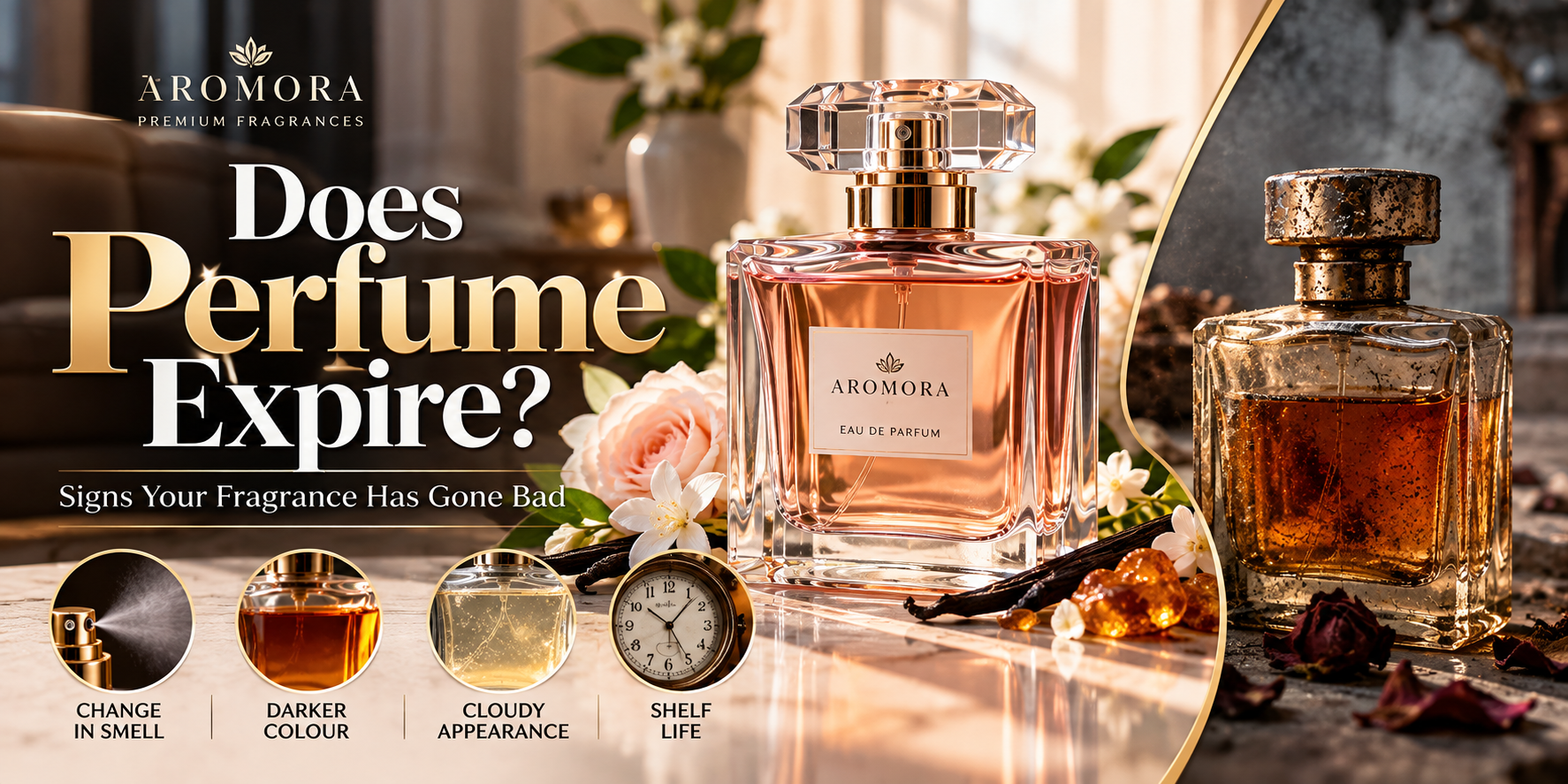
A perfume can sit in your collection for months or years, but its scent may not always stay the same. You might notice that your favourite fragrance smells sharper, looks darker or no longer has the fresh scent you remember. If you have an old bottle at home, you may wonder whether you can still use it or need to replace it.
The answer depends on the perfume’s ingredients, storage conditions and how much its scent or appearance has changed. A bottle kept away from heat and sunlight may retain its original character for longer than one left in a warm bathroom. Knowing what to check can help you avoid wasting a good fragrance or using a product that has developed unusual changes.
So, Does Perfume Expire? Yes, perfume can change over time, but there is no single expiry period for every fragrance. Whether you own an eau de parfum, an eau de toilette or a perfume oil, its condition matters more than age alone. This guide explains the signs to look for, how to check an older bottle and how to care for your fragrance collection.
What Happens When Perfume Gets Old?
Perfume contains a blend of fragrance oils, aromatic compounds and other ingredients that create its scent. Over time, air, heat and light can affect some of these ingredients. This may change the balance between the top notes, heart notes and base notes that make up the fragrance.
For example, a perfume that once smelled fresh and bright may develop a sharper scent. Another may lose some of its original character without developing a strong, unpleasant smell. These changes do not happen at the same speed in every bottle.
One reason for these changes is oxidation, which happens when certain ingredients react with oxygen. Light and heat can also affect some fragrance ingredients. This is why storage matters, although a small change in scent or colour does not automatically mean a perfume has gone bad.
Signs Perfume Has Expired
The signs perfume has expired can include an unusual smell, a change in appearance or a damaged bottle. Look at these signs together instead of relying on just one.
1. The Smell Has Changed
Your nose can help you notice changes in a familiar fragrance. If your perfume once smelled smooth and fresh but now has a sour, vinegary or unusually sharp scent, its formula may have changed.
You may also notice that the fragrance no longer smells like the product you remember. A slight difference does not always mean the perfume has expired, but a strong and unpleasant change is a reason to stop using it and check the manufacturer’s advice.
2. The Liquid Has Changed Colour
Some perfumes become darker as their ingredients age. A pale liquid may develop a yellow or amber shade over time.
However, why perfume changes colour depends on its ingredients and formula. Some fragrances darken naturally while keeping much of their original scent. Colour alone cannot confirm that a perfume has expired.
Check for other signs, such as an unusual smell, unexpected cloudiness or visible particles, before deciding what to do.
3. The Perfume Looks Cloudy
If your perfume was clear but now looks cloudy, pay attention to the difference. Unexpected cloudiness, visible sediment or separation may suggest a change in the product.
Not every fragrance has the same appearance, so compare the bottle with its previous condition where possible. If you notice an unusual physical change, avoid using it until you have checked the product information or contacted the manufacturer.
4. The Fragrance Smells Weaker
An older perfume may lose some of its original freshness or balance. You might find that its opening notes seem dull or that the fragrance develops differently on your skin.
However, a weak scent does not prove that the perfume has expired. The amount you apply, your skin and the surrounding temperature can affect how strongly you notice a fragrance. Look for a clear change from its usual scent rather than judging it only by how long it lasts.
How to Tell If Perfume Is Bad
If you are unsure about an old bottle, check its smell, appearance and storage history. Knowing how to tell if perfume is bad means looking at several clues rather than guessing from its age.
- Smell: Has the fragrance developed an unusual or unpleasant odour?
- Appearance: Is there unexpected cloudiness, separation or visible sediment?
- Bottle condition: Is the cap loose, the spray broken or the bottle leaking?
- Storage history: Has the perfume spent long periods in heat or direct sunlight?
- Product label: Does the packaging include an expiry date or a period-after-opening symbol?
These checks can help you identify possible problems, but they cannot guarantee that a perfume is suitable for use. If the product looks unusual, smells unpleasant or causes irritation, stop using it and follow the manufacturer’s guidance.
How Long Does Perfume Last?
People often ask how long a perfume lasts, but there is no fixed answer for every fragrance. Some perfumes keep their original character for years, while others may change sooner because of their ingredients, packaging or storage conditions.
An opened bottle has more chances for contact with air, particularly if you leave the cap loose. An unopened bottle generally has less air exposure, but heat and sunlight can still affect its contents.
It is also important to separate perfume shelf life from fragrance longevity. Shelf life refers to how well a perfume keeps its original condition in the bottle. Fragrance longevity describes how long you can smell it after applying it to your skin.
A perfume that fades quickly during the day has not necessarily expired. Its formula, your skin and the conditions around you can all affect its performance.
Does Perfume Expire If It Is Unopened?
An unopened perfume may retain its original scent for a long time when you store it correctly. A sealed bottle limits contact with air, which can help protect the fragrance from some changes.
However, an unopened bottle is not guaranteed to remain unchanged forever. Ingredients can age, and unsuitable storage can affect a perfume even when its seal is intact.
If you find an old bottle in a cupboard, check its packaging, look at the liquid and consider where it has been kept. Follow any date or storage instructions on the label. If the scent or appearance has changed unexpectedly, do not assume that the unopened condition makes it suitable for use.
What Does Expired Perfume Smell Like?
The expired perfume smell varies because each fragrance contains a different mix of ingredients. Some perfumes develop a sour or vinegary smell, while others become sharp, stale or noticeably different from the scent you remember.
In some cases, the fragrance may simply lose its fresh opening and become less balanced. A small change does not automatically mean the perfume has gone bad, as some ingredients can change naturally with age.
Pay attention to a strong, unexpected and lasting difference. If the smell becomes unpleasant, especially alongside unusual changes in the liquid, stop using the perfume and check the manufacturer’s advice.
Can You Use Expired Perfume?
Whether you can use expired perfume depends on its condition and the manufacturer’s instructions. Age alone cannot tell you everything about a fragrance, and a pleasant smell does not guarantee that the product remains suitable for use.
Avoid applying perfume that has developed an unusual odour, unexpected cloudiness or visible particles. If the label provides an expiry date or other instructions, follow them. Contact the manufacturer if you are unsure about a product’s condition.
Pay attention to your skin, too. Fragrances can cause reactions in some people, whether they are new or old. If you notice redness, itching or discomfort after applying a perfume, stop using it. Seek medical advice if the reaction is severe or does not settle.
Do not apply a questionable fragrance to your skin just to test it. If you cannot work out whether an older perfume remains suitable for use, avoiding it is the more cautious choice.
How to Store Perfume Properly
Learning how to store perfume properly can help protect its original scent and reduce exposure to conditions that may cause changes.
Keep Perfume Away from Sunlight
Direct sunlight can affect some fragrance ingredients over time. Store your perfume in a drawer, wardrobe or closed cupboard instead of leaving it on a sunny windowsill.
Keeping the bottle in its original box can provide extra protection from light, especially if you do not use the fragrance often.
Choose a Cool, Stable Place
Heat can speed up changes in some perfume ingredients. Keep bottles away from radiators, heaters and other warm areas.
A cupboard in a room with a fairly steady temperature is usually a practical choice. Avoid places that become very hot during the day.
Avoid Bathroom Storage
Bathrooms often experience changes in temperature and humidity during showers and baths. A bedroom drawer or wardrobe may provide a more stable place for your fragrance.
If you keep perfume beside the bathroom sink, consider moving it somewhere cooler and darker.
Close the Cap After Use
Replace the cap securely after every use. A closed bottle helps limit unnecessary contact with air and reduces the risk of leakage or evaporation.
Avoid leaving the bottle open while you get ready. This small habit can help protect your fragrance over time.
Keep Perfume Away from Heat in Cars
A car can become very hot in sunny weather, even when the temperature outside feels comfortable. These conditions are not ideal for storing fragrance.
Keep your main perfume bottle at home rather than leaving it in the car for long periods. If you carry a travel spray, avoid placing it somewhere exposed to direct sunlight or extreme heat.
How to Make Perfume Last Longer
If you want to know how to make perfume last longer in storage, a few simple habits can help protect your collection.
- Store bottles in a cool, dark place.
- Close the cap firmly after each use.
- Keep the original box when practical.
- Avoid leaving perfume in hot cars or sunny places.
- Choose a bottle size that suits how often you wear the fragrance.
- Check older bottles for unusual changes in smell or appearance.
- Follow the manufacturer’s instructions on storage and use.
These steps cannot prevent every change, but they can reduce avoidable exposure to heat, light and air. If you own several fragrances, organise your collection so you can enjoy your favourite bottles rather than leaving them unused for years.
Understanding Perfume Expiry Dates
Not every perfume bottle displays a clear expiry date. Depending on the product and its expected durability, the packaging may include a date or a period-after-opening symbol.
The period-after-opening symbol usually looks like an open jar with a number followed by the letter M. For example, 12M indicates 12 months after opening, while 24M indicates 24 months. Follow the instructions on your product rather than assuming every perfume has the same usable period.
A batch code is different because it identifies a production batch. The meaning of the code depends on the manufacturer, so do not guess an expiry date from it. If the label is unclear, contact the brand for advice.
Frequently Asked Questions
Can I use 20 year old perfume?
A 20-year-old perfume may have changed, even if it has remained unopened. Check its condition and the manufacturer’s guidance, and avoid using it if the smell or appearance is unusual.
Can I wear 10 year old perfume?
Some ten-year-old perfumes may retain their original character when stored well, but age alone cannot confirm that they remain suitable for use. Check the product carefully and follow its instructions.
Can you use 50 year old perfume?
A 50-year-old perfume has a long storage history that may be difficult to confirm. If its condition is uncertain or it shows unusual changes, avoid applying it and contact the manufacturer if possible.
How long is perfume good for before it expires?
There is no fixed lifespan for every perfume. Its ingredients, packaging and storage conditions affect how well it keeps, so check the label and look for changes instead of relying on age alone.
Final Thoughts
An old perfume does not always need to be thrown away, but you should not judge it by age alone. Check the smell, appearance, packaging and storage history before deciding what to do. A darker liquid may be harmless, while an unexpected smell or unusual physical change deserves more attention.
At Aromora, we believe that understanding your fragrance helps you care for your collection more thoughtfully. Store your bottles away from direct sunlight and excessive heat, close the cap after use and follow the manufacturer’s instructions. If a perfume develops an unpleasant smell, shows unexpected changes or causes irritation, stop using it. These simple steps help you make informed choices about the fragrances you enjoy.